Lucky Zip Codes: Which Pennsylvania Towns Keep Producing Lottery Jackpot Winners?
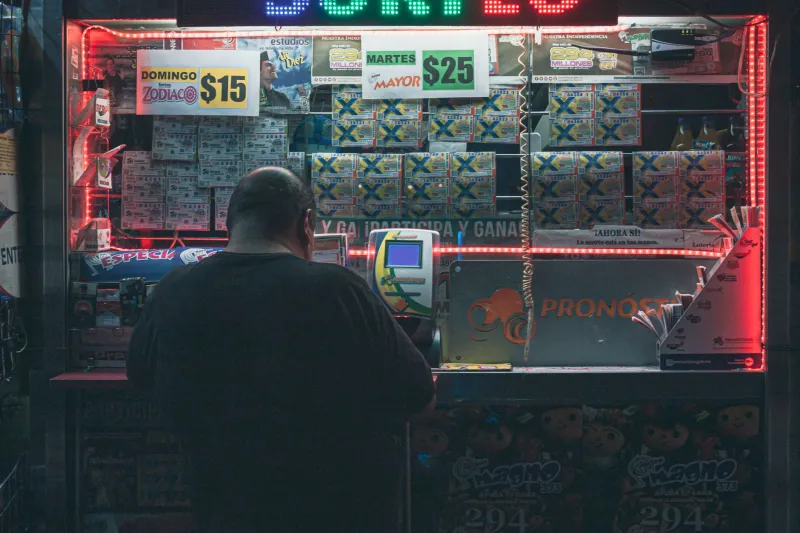
Every state has its lottery folklore — the gas station that sold three winning tickets in one year, the small town where it seems like everybody knows somebody who hit big. Pennsylvania, with one of the oldest and most active state lotteries in the country, has more than its share of these stories. The Pennsylvania Lottery has been running since 1971 and has generated billions in prizes over the decades, which means the wins — and the legends — are spread pretty wide across the commonwealth.
So which towns and regions actually show up most often in the winner's circle? And is there any truth to the idea that certain retailers or game types are luckier than others? Let's dig in.
The Numbers Behind the Narrative
The Pennsylvania Lottery publishes data on major prize winners, including the location where winning tickets were sold. When you start mapping those wins over time, a few patterns emerge — though they're not always the ones you'd expect.
Larger metro areas like Philadelphia, Pittsburgh, and Allentown naturally show up frequently in the winner lists, but that's almost entirely a population effect. More people buying tickets means more winners, full stop. The more interesting story is what happens when you adjust for population size and look at smaller communities that punch above their weight.
Towns in the Philadelphia suburbs — particularly in Montgomery, Bucks, and Delaware counties — have produced a disproportionate number of big scratch-off winners over the years. Norristown, Lansdale, and Horsham show up repeatedly in Pennsylvania Lottery winner announcements, and local players have taken notice. Whether that's a genuine statistical quirk or simply a reflection of high ticket sales volume in those densely populated suburbs is a fair question, but the pattern is real enough that players in those areas have developed a certain confidence about their local odds.
The Corner Store Effect: Does the Retailer Matter?
Ask any seasoned Pennsylvania Lottery player and they'll tell you they have a lucky store. Maybe it's the Turkey Hill on their morning commute, the Giant Food checkout lane, or a specific convenience shop they've been visiting for years. The question is whether retailer reputation holds any actual statistical weight.
Here's the honest answer: individual retailers don't control odds. Every scratch-off ticket is printed with a predetermined outcome, and the Pennsylvania Lottery uses a random distribution system to spread winning tickets across the state. A store that has sold multiple jackpot winners hasn't become luckier — it's more likely a high-volume retailer that moves a lot of tickets.
That said, volume does matter in a practical sense. A retailer selling 10,000 scratch-off tickets a month will statistically produce more winners than one selling 500, simply because more tickets are passing through. So if you're determined to play where the wins happen, high-traffic retailers in busy areas are your best bet — not because of magic, but because of math.
Some retailers have earned genuine local fame despite the statistical reality. There's a convenience store in the Scranton area that locals swear has sold more Pick 4 winners than any shop in the region — and while the Pennsylvania Lottery's data doesn't specifically break down wins by individual store for most game types, the store's owner has leaned into the reputation with a modest display of printed winner photos near the register. Is it luck? Probably not. Is it great for business? Absolutely.
Pick 4 Hotspots and the Culture of Number Sharing
Pennsylvania's Pick 4 game has its own distinct culture, particularly in urban neighborhoods where number-sharing traditions run deep. In parts of Philadelphia and Pittsburgh, certain numbers carry community significance — tied to addresses, dates, or even dreams (yes, dream books are still a thing in some neighborhoods, and they've been around since long before the state lottery existed).
This creates pockets of intense activity around specific number combinations. When a locally popular Pick 4 number hits, the ripple effect through a neighborhood can be significant — dozens of players collecting prizes at once. These events tend to generate word-of-mouth stories that outlast the actual win by years. In some South Philadelphia neighborhoods, certain Pick 4 hits from the 1990s are still referenced in conversations about lucky numbers today.
The takeaway isn't that these neighborhoods are luckier — it's that lottery culture in Pennsylvania is genuinely regional, shaped by local traditions and community habits that vary dramatically from one zip code to the next.
The Biggest Wins and Where They Happened
Pennsylvania's largest lottery jackpots have landed all over the map, which itself tells a story. Mega Millions and Powerball jackpots — which Pennsylvania participates in — have been claimed by winners from rural counties as often as from the suburbs. A winning Powerball ticket sold in a small-town grocery store in central Pennsylvania made national news a few years back, precisely because nobody expected a town of a few thousand people to produce a nine-figure winner.
For purely Pennsylvania games, the Treasure Hunt jackpot and the Cash 5 top prizes have been claimed from a wide geographic spread. The lottery publishes a winners page that tracks recent major prizes, and browsing it for a few minutes gives you a sense of just how unpredictable the distribution really is.
What the Myths Get Right (And Wrong)
The idea of lucky towns and lucky stores is more about human psychology than probability. We're pattern-seeking creatures, and when a town produces a few big winners, the story sticks in a way that a string of non-winning tickets never does. Confirmation bias does the rest.
But the myths aren't entirely without value. They keep people engaged with the lottery as entertainment, which is exactly what it's meant to be. Playing a scratch-off at your "lucky" corner store is a fun ritual, and if it makes the experience more enjoyable, that's a legitimate reason to keep doing it.
The one myth worth busting firmly: no system, no lucky store, and no hot number sequence changes your underlying odds. The Pennsylvania Lottery is designed to be random, and that's a feature, not a bug.
Play Smart, Play for Fun
The Pennsylvania Lottery sends a meaningful chunk of its proceeds to programs benefiting older Pennsylvanians — property tax and rent rebates, transit assistance, and more. So every ticket purchase does have a community dimension beyond the game itself.
If you're playing, keep it light. Set a weekly budget, treat it as entertainment spending, and enjoy the ritual of checking your numbers. And if you happen to live in Lansdale or Norristown? Maybe grab a ticket next time you're at the register. The math says it doesn't matter — but the story says otherwise, and sometimes the story is half the fun.
For responsible gaming resources in Pennsylvania, visit the Pennsylvania Lottery's official site or reach out to the Council on Compulsive Gambling of Pennsylvania at 1-800-GAMBLER.