Fold 'Em or Feed 'Em: Inside Pennsylvania's Thriving Tradition of Community Card Nights
Fold 'Em or Feed 'Em: Inside Pennsylvania's Thriving Tradition of Community Card Nights
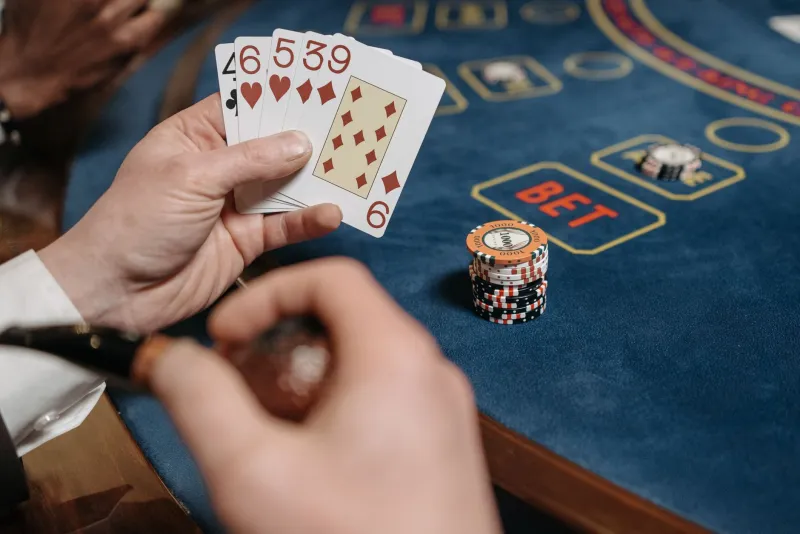
Walk into the right fire station on a Thursday evening in western Pennsylvania and you might catch something that feels equal parts poker tournament and church potluck. The smell of kielbasa drifts from a warming tray near the back wall. A retired steelworker is shuffling cards with the casual authority of someone who's been doing it since the Nixon administration. Somebody's aunt has already claimed the lucky seat by the radiator.
This is not the casino. This is something older, louder, and in a lot of ways, more interesting.
Across the Keystone State — from the industrial river towns of the Mon Valley to the rolling farmland communities outside Lancaster — card nights hosted by civic organizations have quietly remained a cornerstone of local culture. Fire companies, VFW halls, Polish falcons clubs, Slovak fraternal organizations, Italian-American lodges: these are the places where Pennsylvania learned to play poker long before there was a slot machine within driving distance.
Cards Before Casinos
It's worth remembering that Pennsylvania's first casinos didn't open until 2007, when SugarHouse and a handful of others got the green light under the state's Race Horse Development and Gaming Act. But community card nights? Those go back generations.
"My grandfather ran a poker night at St. Casimir's in the '50s," says Donna Wisnewski, who now helps organize a monthly card event at a fire hall outside Scranton. "It wasn't a big deal then. It was just what you did on a Friday. You showed up, you played cards, you ate, you talked. That's still basically what we do."
The continuity is striking. Many of these events have been running — with brief pandemic interruptions — for 40, 50, even 60 years. Organizers pass the job down like a family recipe, adjusting the details but keeping the spirit intact.
The Civic Engine Behind the Cards
These nights aren't just social — they're functional. Most are run as fundraisers, with proceeds supporting volunteer fire departments, veterans' services, local food banks, or building maintenance funds. Pennsylvania law allows certain nonprofit and civic organizations to host games of chance under specific conditions, and many community card nights operate within that framework, keeping buy-ins modest and the atmosphere welcoming.
"We raised over $4,000 last year just from our monthly poker nights," says Ray Hollenbach, treasurer for a volunteer fire company in Berks County. "That pays for equipment, training, stuff the township budget doesn't cover. People know that when they sit down at the table, they're helping keep the lights on here."
That dual purpose — entertainment and civic good — gives these events a texture that's hard to replicate in a commercial setting. Players aren't just chasing a pot. They're investing in something.
The Food Is Not Optional
Ask anyone who's been to one of these nights about the food, and watch their expression change.
At a Slovak-American club in the Pittsburgh suburbs, the card night runs alongside a kitchen that serves stuffed cabbage, haluski, and — yes — pierogis by the dozen. At a VFW post in the Lehigh Valley, there's a rotating menu of hoagies, chili, and homemade desserts contributed by members' families. In some fire halls, the kitchen is as much a draw as the cards themselves.
"Honestly? I come for the halushki," admits one regular at a Luzerne County event, laughing. "The poker's great, but if Margaret didn't make her noodles, I think half the guys would find somewhere else to be."
The food traditions are deeply tied to the ethnic and cultural identities of the organizations hosting these nights. Eastern European dishes dominate in communities with Slovak, Polish, and Ukrainian roots. Italian-American clubs in Philadelphia's suburbs lean toward red sauce and cannoli. The menu isn't incidental — it's a declaration of identity, a way of saying this place belongs to us, and we belong to each other.
Who's Actually Showing Up?
One of the more surprising things about Pennsylvania's community card nights is how genuinely multigenerational they tend to be. These aren't just scenes for retirees nostalgic for the pre-internet era.
"We've got guys in their 70s and kids in their 20s sitting at the same table," says Wisnewski. "I think younger people are actually hungry for something like this — something that's real and in-person and not on a screen. The casino is an option, sure. But it's also kind of anonymous. Here, everyone knows your name."
That sense of belonging seems to be a genuine draw, especially in smaller communities where social infrastructure has thinned out over the decades. Bars have closed, churches have merged, bowling leagues have dwindled. The community card night, in some towns, has become one of the last regular gathering points where neighbors actually talk to each other face to face.
Holding Their Own Against the Big Players
You might expect the rise of Pennsylvania's casino industry — now one of the largest in the country — to have cannibalized these modest gatherings. It hasn't, really. Organizers say attendance has stayed steady or even grown in the years since the casinos opened.
The explanation isn't complicated: casinos and community card nights aren't really competing for the same thing. One offers spectacle, scale, and the thrill of high-stakes play. The other offers familiarity, belonging, and a plate of stuffed cabbage. Both have their appeal. For a lot of Pennsylvanians, they scratch entirely different itches.
"I go to the casino maybe twice a year," says Hollenbach. "But I'm at our card night every month. It's not the same thing at all."
Finding Your Table
If you're curious about experiencing one of these nights yourself, the best approach is old-fashioned: ask around. Many events aren't heavily advertised online — they rely on word of mouth, bulletin boards at the local diner, and announcements in community newsletters. Calling your nearest VFW post, volunteer fire company, or ethnic fraternal organization directly is usually your best bet.
Most nights are open to the public or welcome guests brought by members. Buy-ins tend to be low — often $20 to $50 — and the atmosphere is casual and welcoming to players of all skill levels. Just don't skip the food.
Pennsylvania's casino scene is world-class, and we love covering it here at Play Pennsylvania. But there's something worth knowing about the card culture that existed long before the neon lights came on — and that's still very much alive in the fire halls, lodge rooms, and church basements of the commonwealth. Pull up a folding chair. Deal you in?