From Bar Rail to Bracket: How Pennsylvania's Rec League Scene Turned Casual Games Into Serious Business
From Bar Rail to Bracket: How Pennsylvania's Rec League Scene Turned Casual Games Into Serious Business
Not long ago, the shuffleboard table at your local bar was mostly a place people leaned on while waiting for a drink. The skeeball machine in the corner collected dust between Friday nights. Foosball? That was something you played for five minutes before getting bored and heading back to the bar.
Fast forward to today, and those same games are filling up registration rosters, drawing weekly crowds, and sparking genuine rivalries across Pennsylvania. A quiet but unmistakable shift is happening in bars, entertainment venues, and event spaces from Philadelphia to Pittsburgh — and if you haven't noticed it yet, you're about to.
The Rise of the Organized Rec League
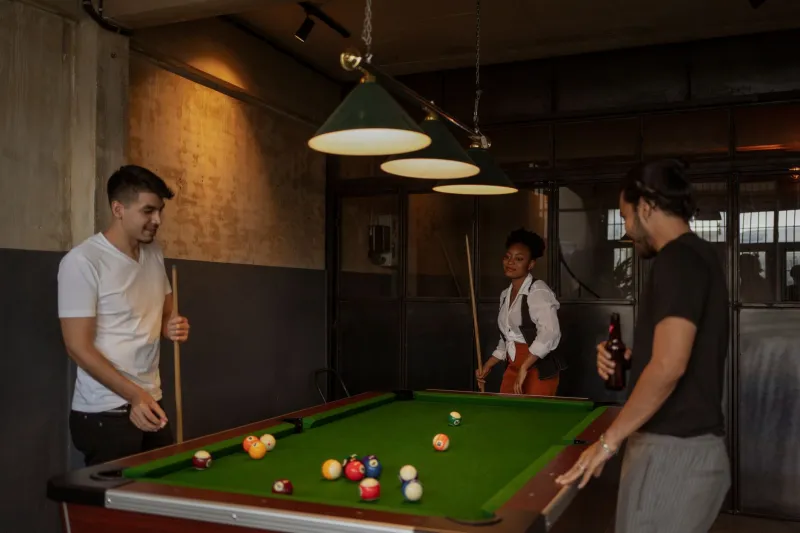
Recreational sports leagues built around bar games and tabletop classics have been gaining momentum nationally for years, but Pennsylvania's scene has developed its own distinct personality. Part of that comes down to the state's deep bar culture and its dense concentration of urban neighborhoods where people are always looking for a reason to get out and be social.
Organizers like those behind Philly's Social Philly and Pittsburgh-based entertainment venues running in-house league programs have figured out a winning formula: take a game almost anyone can play, add a structured schedule, throw in some friendly trash talk, and watch a community build itself almost overnight.
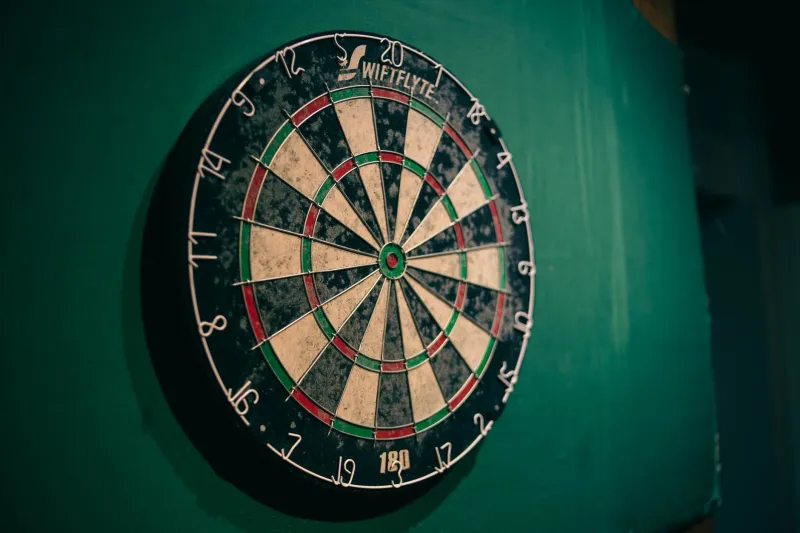
The games at the center of this movement aren't random. Shuffleboard, skeeball, ping pong, cornhole, foosball, and darts all share a common thread — they're accessible enough that a first-timer doesn't feel embarrassed, but deep enough that regular players develop real skill over time. That balance is exactly what keeps people coming back week after week.
Philadelphia: Where the League Scene Is Thriving
Philly might be the epicenter of Pennsylvania's rec league explosion. The city's bar-dense neighborhoods — Fishtown, Northern Liberties, South Philly, Old City — have become natural homes for league play.
Punch Line Philly and venues along the Frankford corridor have hosted shuffleboard leagues that pull in teams from all over the city. Meanwhile, skeeball has developed a surprisingly devoted following through BREWSKEE-BALL, a national skeeball league organization with an active Philadelphia chapter. Yes, competitive skeeball is absolutely a thing, and the Philly players take it seriously.
What makes the Philly scene work is the social infrastructure around the games. Leagues typically run on weeknights — Tuesdays and Wednesdays are popular — which gives players something to look forward to mid-week without competing with weekend plans. Bars benefit from the guaranteed foot traffic, and players get a built-in social circle.
Pittsburgh: Industrial Roots, Competitive Spirit
Pittsburgh has always had a working-class, competitive edge to its social culture, and the rec league scene there reflects that. The South Side and Lawrenceville neighborhoods have become hotbeds for ping pong and foosball leagues, with venues like Pinball Perfection and various bar-entertainment hybrids providing the space and equipment.
Pittsburgh's shuffleboard scene is also quietly impressive. Several bars along the East End have installed regulation-length shuffleboard tables — not the tiny bar-top versions — and organized weekly league nights around them. Players who show up expecting a casual toss quickly realize that reading the table's speed, controlling weight, and strategic placement are legitimate skills that take weeks to develop.
The competitive culture here tends to run a little more intense than in other cities. Pittsburgh players aren't just showing up to socialize — they're showing up to win. That said, the leagues remain welcoming to beginners, with most organizers placing new players on mixed-skill teams to keep things balanced.
Allentown and the Lehigh Valley: A Scene on the Rise
Allentown and the broader Lehigh Valley might not get the same attention as Philly or Pittsburgh when it comes to nightlife and gaming culture, but the rec league scene there is punching above its weight. The region's growing young professional population has created real demand for structured social activities, and bar game leagues have filled that gap neatly.
Venues in downtown Allentown have started hosting ping pong and cornhole leagues with surprising regularity, and word-of-mouth has driven sign-ups faster than organizers expected. The Lehigh Valley's tight-knit social scene actually works in the leagues' favor — once a few people join, their entire friend group tends to follow.
What Makes These Leagues Different From Just Playing at the Bar
If you've never joined a rec league, you might wonder what the actual difference is between showing up on a Tuesday night for a casual game versus playing in a league. The answer is more than you'd think.
First, there's structure. Leagues use actual brackets, standings, and season formats. You're playing for something — even if that something is just bragging rights and a cheap trophy. That structure creates investment in a way that casual play simply doesn't.
Second, there's community. When you play in a league, you see the same faces week after week. You learn people's names, their playing styles, their tendencies. You develop rivalries. You start chatting with the team you just beat, or the one that just beat you. It's a social engine that's hard to replicate any other way.
Third — and this is the part that surprises most newcomers — you actually get better. Playing consistently against a range of opponents, with something at stake, accelerates skill development in a way that casual play doesn't. By week four of a shuffleboard season, players who showed up barely knowing the rules are making strategic decisions they couldn't have imagined on day one.
How to Find a League Near You
Ready to stop watching from the sidelines? Here's how to track down a rec league in your area:
- Check local bar websites and social media. Many venues that run leagues advertise them on Instagram or Facebook rather than formal websites. Search for your city plus "shuffleboard league," "skeeball league," or "ping pong league."
- Look for national organizations with local chapters. BREWSKEE-BALL has a Philly presence. Organizations like APA Pool League and various dart league associations operate throughout Pennsylvania and often maintain searchable chapter directories.
- Ask at the bar. Seriously. If a venue has the equipment, there's a reasonable chance they either run a league or know who does. Bartenders are usually the best source of intel.
- Check Meetup.com. Rec sports leagues frequently organize through Meetup, and the platform makes it easy to find groups in your city.
- Facebook Groups. Search for "[your city] rec league" or "[your city] bar sports" — there are active communities in most Pennsylvania metros.
Most leagues welcome solo sign-ups and will place you on a team if you don't have one. Entry fees are generally low — often $20 to $40 for a full season — and many leagues include a drink special or bar credit as part of the deal.
The Bigger Picture
What's happening with Pennsylvania's rec league scene isn't just a trend. It's a response to something real — a hunger for genuine in-person connection that doesn't require a lot of money, athletic ability, or prior experience. These leagues are democratic in the best sense: anyone can play, everyone belongs, and the competition is just serious enough to make it interesting.
Whether you're in Philly hunting down a skeeball bracket, in Pittsburgh eyeing a ping pong ladder, or in Allentown looking for something to do on a Tuesday that isn't just sitting at the bar — there's a league out there with your name on it. Go find it.