From Church Basements to Casino Floors: How Pennsylvania's Immigrant Soul Built a Gaming Culture Like No Other
From Church Basements to Casino Floors: How Pennsylvania's Immigrant Soul Built a Gaming Culture Like No Other
Long before slot machines lined the walls of Hollywood Casino or Rivers Casino, Pennsylvania's immigrant communities were shuffling cards in church halls and rolling dice in row-house kitchens. The Keystone State's gambling culture didn't arrive with the casino boom — it was baked in generations deep, carried across oceans by the people who built this state with their hands.
Pennsylvania is a lot of things to a lot of people. It's cheesesteaks and coal country. It's Amish farmland and steel-city grit. But spend enough time here, and you'll notice something else threading through the culture: a deeply personal, almost communal relationship with games of chance. To understand why Pennsylvania plays the way it does, you have to go back — way back — to the neighborhoods and mining towns where it all began.
The Old World in the New World
When Polish, Slovak, Italian, Ukrainian, and Lithuanian immigrants flooded into Pennsylvania's industrial regions during the late 19th and early 20th centuries, they brought more than just labor. They brought their languages, their recipes, their saints' days — and their games.
"My grandfather came over from Kraków in 1911," says Wanda Kowalczyk, a 74-year-old retired schoolteacher from Scranton whose family has lived in the Anthracite coal region for four generations. "He worked the mines six days a week, and on Sunday after Mass, the men played cards. It wasn't about money, really. It was about being together. About feeling like yourself again after a week underground."
The games varied by community. Polish and Slovak miners favored Sześćdziesiąt i sześć — a trick-taking card game known in English as Sixty-Six — while Italian immigrants brought Scopa and Briscola to South Philadelphia's rowhouse stoops. Ukrainian social clubs in the Wyoming Valley hosted dominoes tournaments. Irish dock workers in Pittsburgh played pitch. Each community had its game, and each game carried a piece of home.
Historian Dr. Michael Ferrone, who has spent two decades researching ethnic communities in Western Pennsylvania, puts it plainly: "Gambling, or social gaming as I prefer to call it in this context, was a form of cultural preservation. It was a ritual that reinforced identity. You played the game your father taught you, the same way he played it in the village. It kept something alive."
The Social Club as Sacred Space
If the church was the spiritual center of immigrant Pennsylvania, the social club was its secular twin. The Polish National Alliance halls, Italian American clubs, and Slovak fraternal lodges that dotted cities like Wilkes-Barre, Allentown, and Pittsburgh weren't just gathering places — they were full-blown entertainment ecosystems.
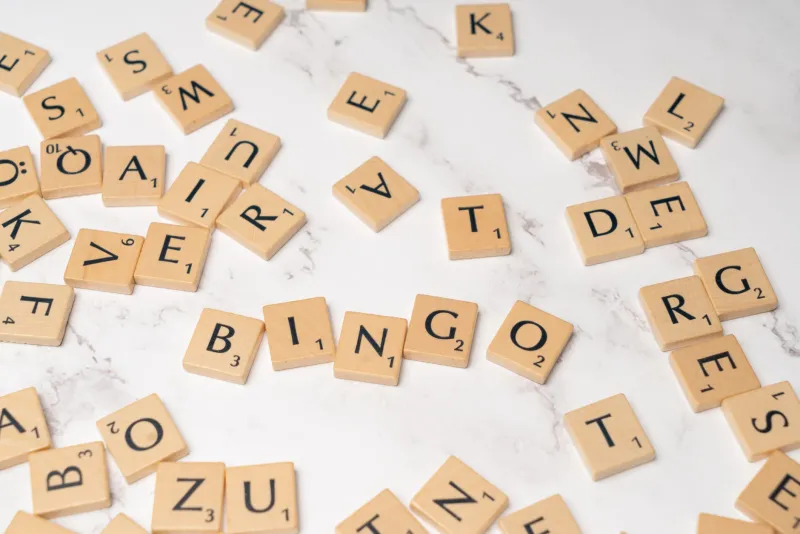
Bingo nights, card tournaments, and pull-tab boards were staples of these clubs decades before Pennsylvania legalized any form of commercial gambling. The church bingo hall, in particular, became a cornerstone of community life. Parishes across the state ran weekly games that drew hundreds of players, funded school buildings, and kept the lights on through lean economic times.
"People don't realize how organized it all was," says Father Anthony Russo, a retired Catholic priest who served parishes in both Hazleton and Philadelphia over a 40-year career. "We had bingo committees, prize budgets, regular callers who became local celebrities. Mrs. Deluca called bingo at Saint Anthony's in South Philly for 22 years. People came just to hear her voice."
This grassroots gaming infrastructure laid the psychological and social groundwork for Pennsylvania's eventual embrace of legalized gambling. When the state authorized slot machines at racetracks in 2004 and expanded to full casinos shortly after, it wasn't introducing something foreign to the culture. It was, in a sense, just making official what had been going on in basements and lodge halls for a century.
The Games Locals Still Love
Walk into any Pennsylvania casino today and you'll notice something interesting: the poker rooms are almost always busy. Not just busy — alive. There's a particular energy around the tables here that casino veterans from other states often remark on.
It's not a coincidence. Poker — especially variants like Seven-Card Stud and later Texas Hold'em — became deeply embedded in Pennsylvania's working-class social fabric because it rewarded the same qualities those communities valued: patience, reading people, knowing when to hold back and when to push. In a culture where you worked alongside the same guys for 30 years, learning to read a face wasn't just a card skill. It was a survival skill.
"Pennsylvania players are tough," says Marcus Webb, a poker dealer at Parx Casino in Bensalem who grew up in Northeast Philadelphia. "They're not flashy. They don't talk much at the table. But they're paying attention to everything. That comes from somewhere. That's cultural."
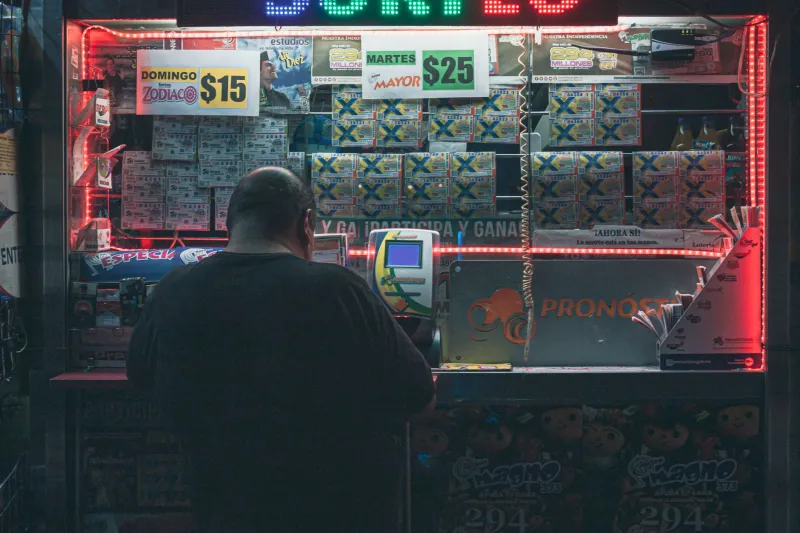
Numbers games also have deep roots here. Long before the Pennsylvania Lottery launched in 1972, informal numbers rackets operated openly in many immigrant neighborhoods. The "numbers" — a daily street lottery where players bet on a three-digit combination — was so woven into daily life in communities like North Philadelphia and Pittsburgh's Hill District that when the state lottery arrived, adoption was almost instant. People already knew how to play. They'd been playing for decades.
Coal, Steel, and the Gambling Spirit
There's a broader economic context worth acknowledging. Pennsylvania's immigrant communities didn't just game for fun — they gamed because life was genuinely precarious. Working in a coal mine or a steel mill meant accepting a daily gamble with your own safety. Against that backdrop, placing a small bet on a card game or a numbers pick wasn't reckless. It was almost philosophical. You were already betting your life every morning. Why not bet a quarter on something with better odds?
Dr. Ferrone frames it this way: "There's a reason the lottery became so popular in old industrial towns. When you don't have generational wealth, when upward mobility feels blocked, a lottery ticket represents something real — the possibility of a different life. That's not naivety. That's hope with a price tag."
A Living Legacy
Today, you can trace that unbroken line from a Slovak miner's card table in 1920s Scranton all the way to a modern poker tournament at Mohegan Pennsylvania in Wilkes-Barre. The geography hasn't changed much. The hunger for connection, competition, and the small electric thrill of chance certainly hasn't.
Pennsylvania's casinos, for all their neon and technology, are in many ways the latest chapter in a very old story. The games are shinier, the stakes are higher, and the pierogies are harder to find on the menu — but the spirit that fills those rooms? That came from somewhere real.
It came from the people who built this state, one card game at a time.
Play Pennsylvania celebrates the stories behind the games. Whether you're a history buff or a casual player, the Keystone State's gaming scene has more layers than most people realize — and every layer is worth exploring.